 Vero Water Recovery
Heavy Rain & Poor Drainage
Tropical downpours overwhelm grading and gutters, and water pools under the house instead of draining away.
Water under your home is easy to ignore and expensive to neglect. We remove standing water from crawl spaces and set up moisture control to protect your foundation, framing, and indoor air.
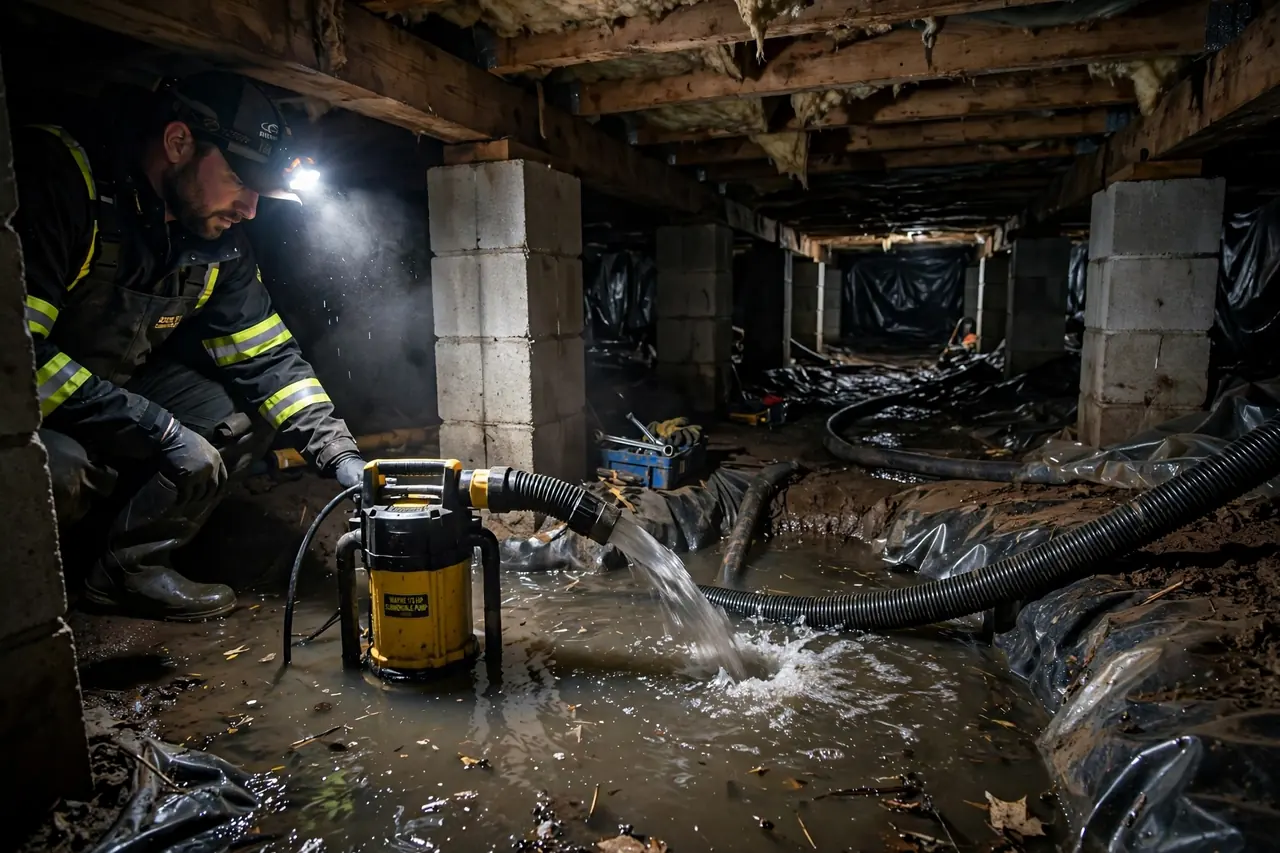
Many Vero Beach homes, especially older elevated houses, have crawl spaces that collect water after heavy rain, plumbing leaks, or drainage failures. Because nobody looks under there, the water sits for weeks: saturating soil, wicking into framing and subfloor, and feeding the musty odors that drift up into living spaces.
Crawl space water removal starts with pumping out standing water, then addressing the moisture left behind. We assess the source, remove the water, and recommend moisture-control steps so it doesn't just fill up again with the next storm.
Crawl space water usually comes from one of these sources, often more than one at once.
Tropical downpours overwhelm grading and gutters, and water pools under the house instead of draining away.
Supply and drain lines run through crawl spaces, a slow leak can put inches of water down there unnoticed.
Parts of Vero Beach sit over a high water table; after sustained rain, groundwater seeps up into low crawl spaces.
Air handler condensate lines that terminate under the house can steadily add water all cooling season.
Misaimed sprinklers soak the foundation perimeter and migrate under the home over time.
Major storms can push water under elevated homes across the barrier island and low-lying mainland areas.
Tight, dark, and wet, crawl space work takes the right equipment and a methodical approach.
We assess access, water depth, and source indicators before anyone goes under.
Portable pumps and extraction remove standing water, even from low-clearance spaces.
Subfloor, joists, and insulation are checked for saturation and damage.
We recommend drainage, ventilation, or vapor-barrier steps based on what we found.
What happens in the crawl space doesn't stay in the crawl space. Moisture down there becomes musty air, cupped floors, and compromised framing up here.
Chronic crawl space moisture rots sill plates and joists, delaminates subfloor, and creates the humid conditions where odors and microbial growth thrive. Removing the water is step one, understanding and controlling the source is what protects your home long-term.
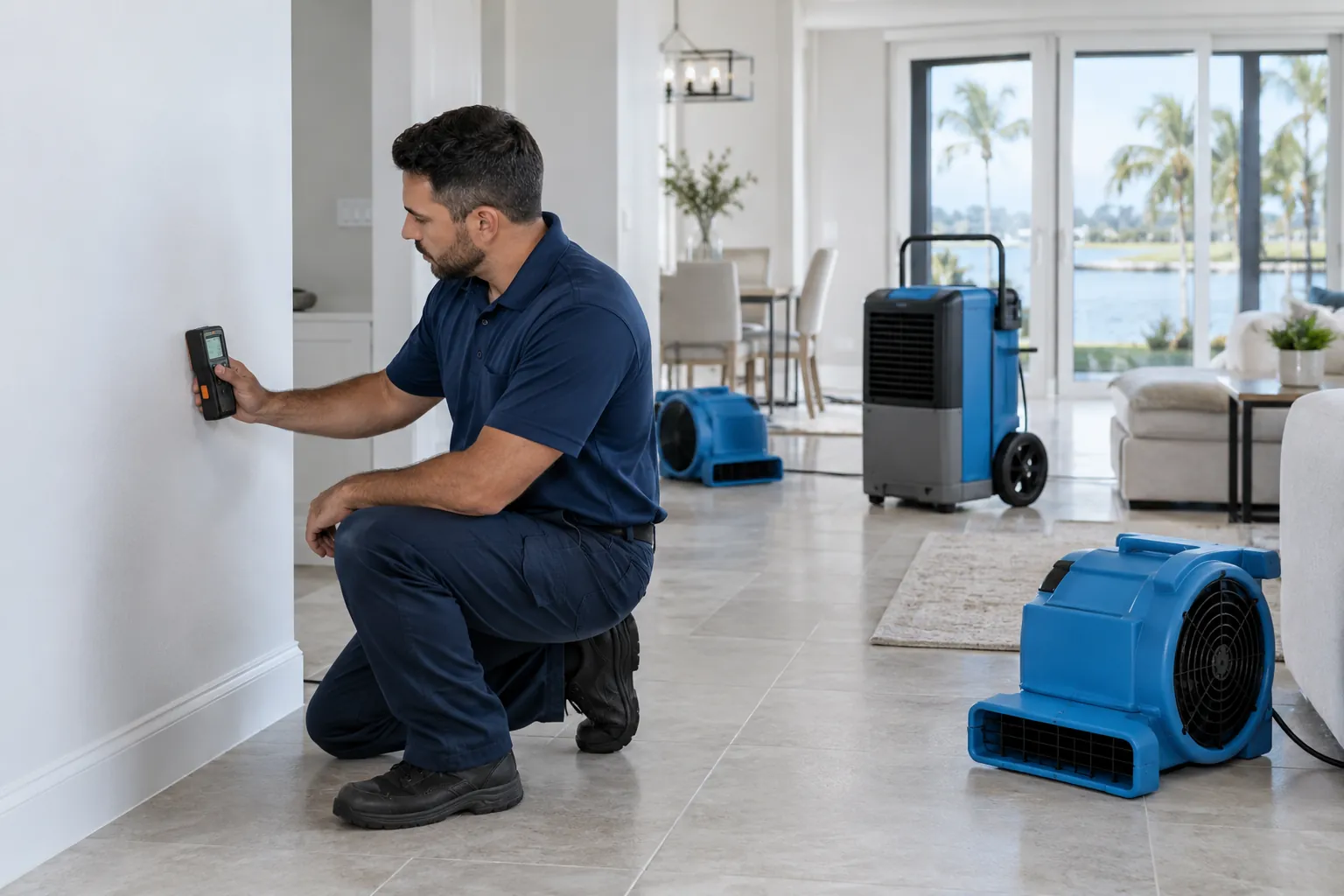
Every service below stays within water damage restoration, extraction, drying, and moisture control.
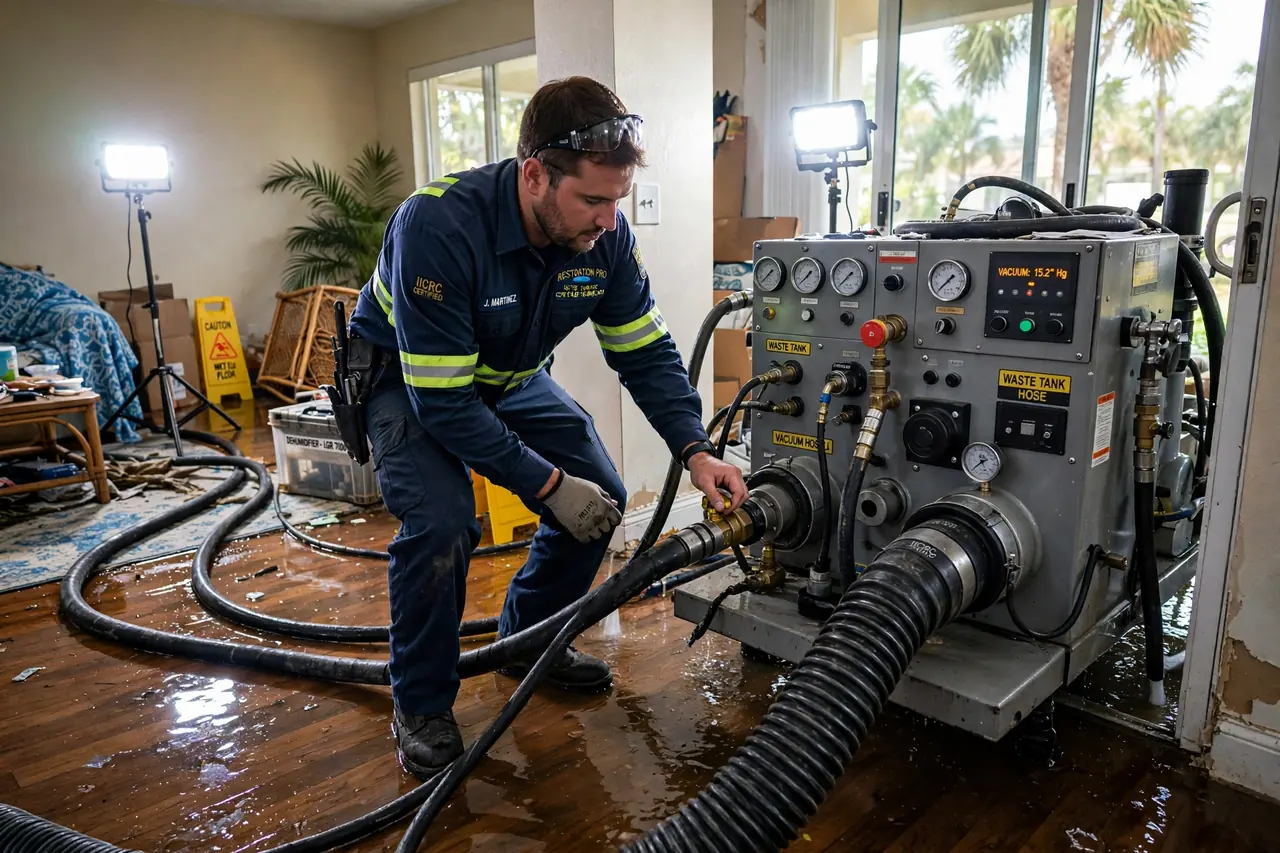
Rapid 24/7 standing-water removal after leaks, floods, and overflows.
View service →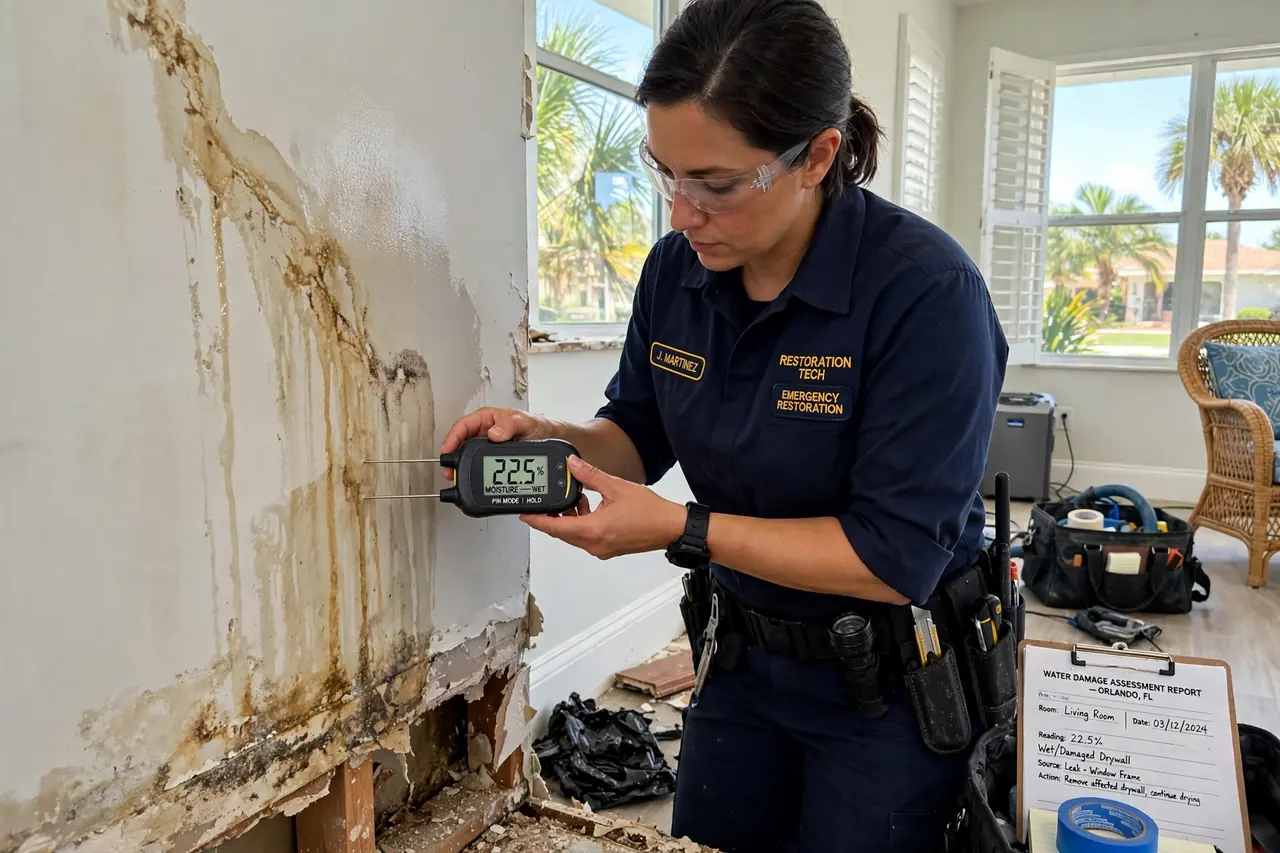
Water extraction and drying for houses, condos, and rental properties.
View service →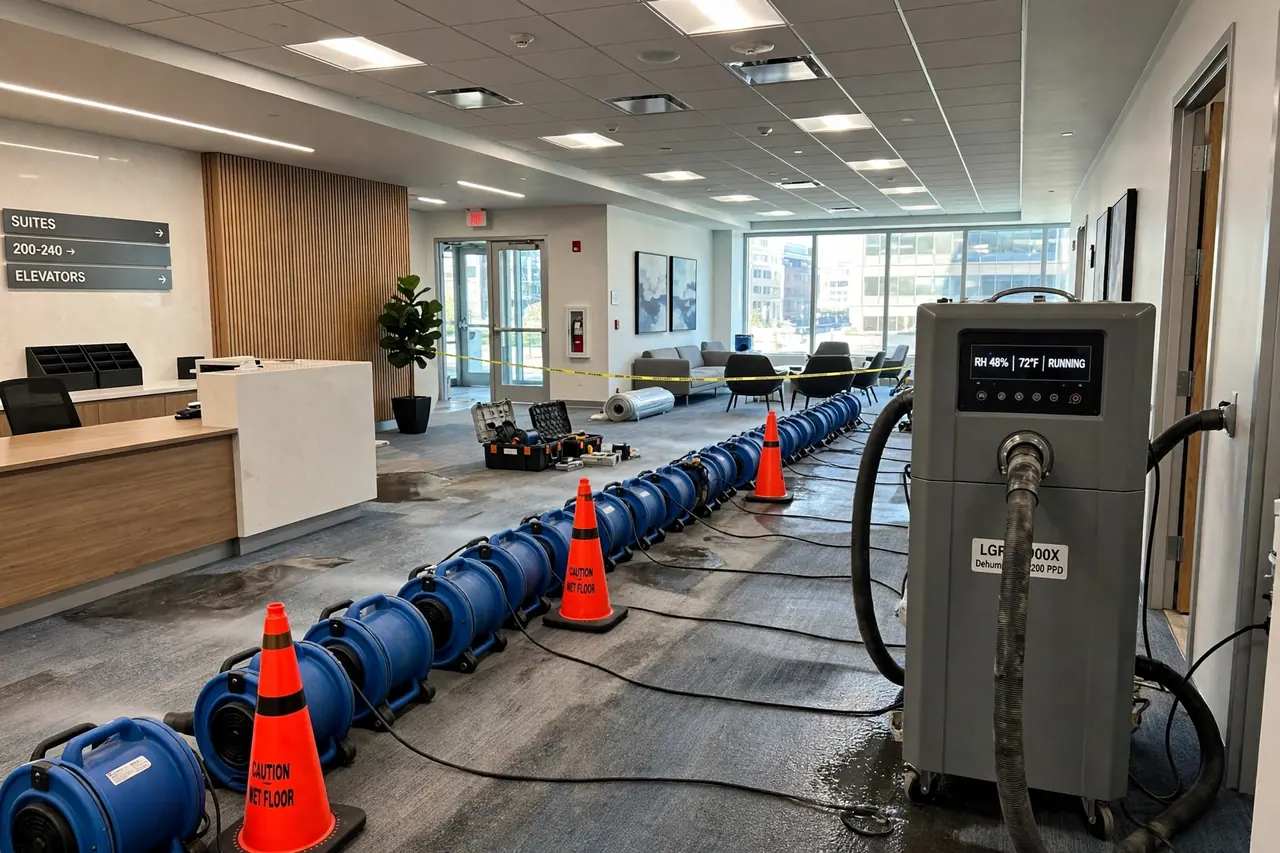
Water removal and drying for offices, retail, and hospitality properties.
View service →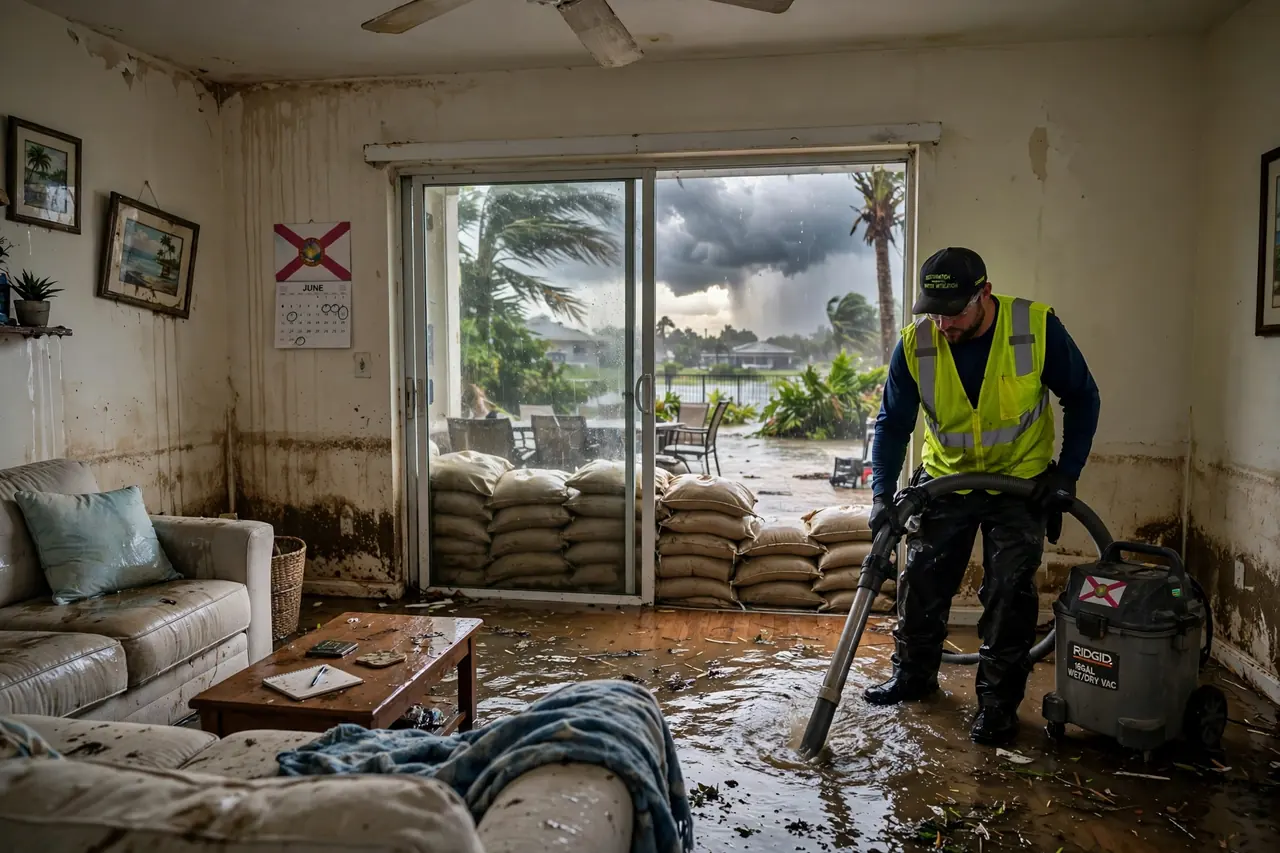
Extraction and initial drying after indoor flooding and stormwater intrusion.
View service →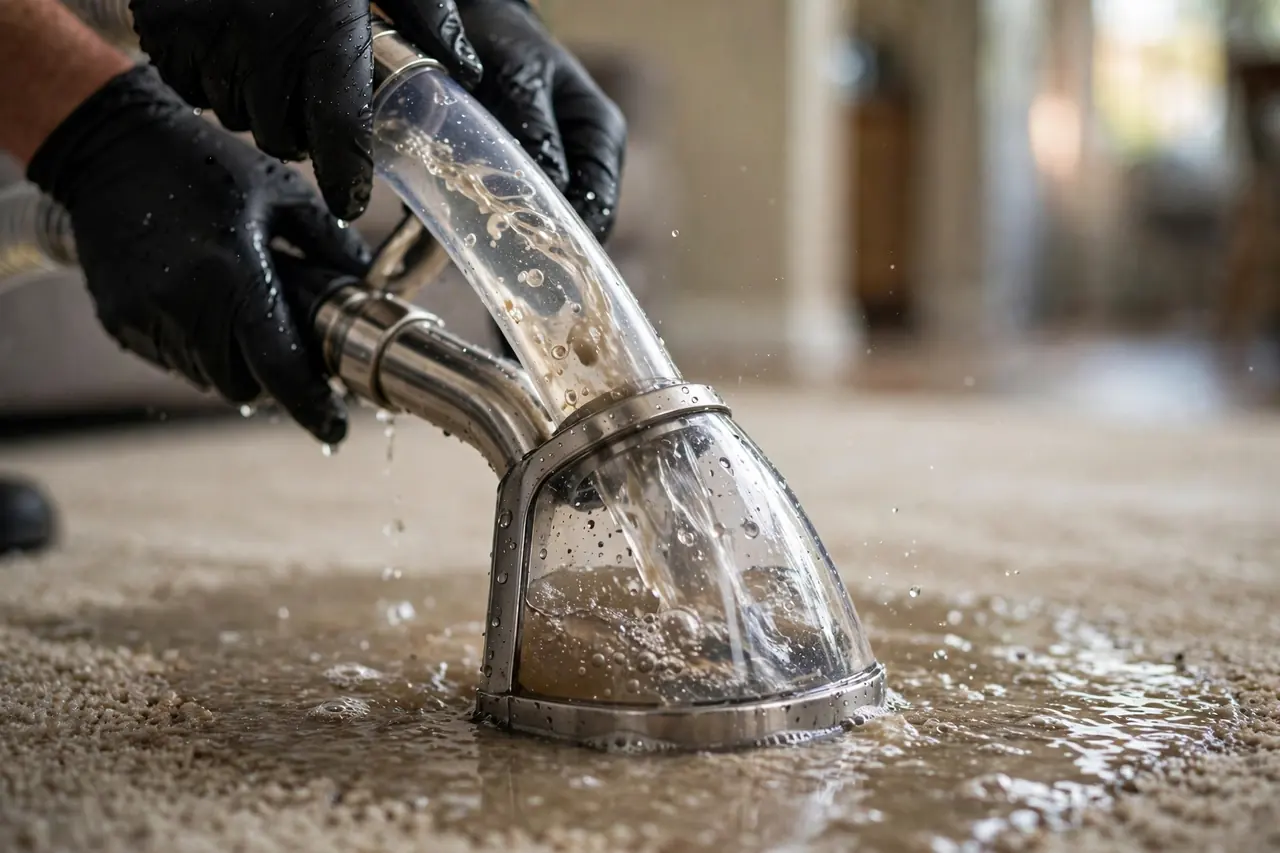
Deep water extraction for soaked carpet, padding, and flooring.
View service →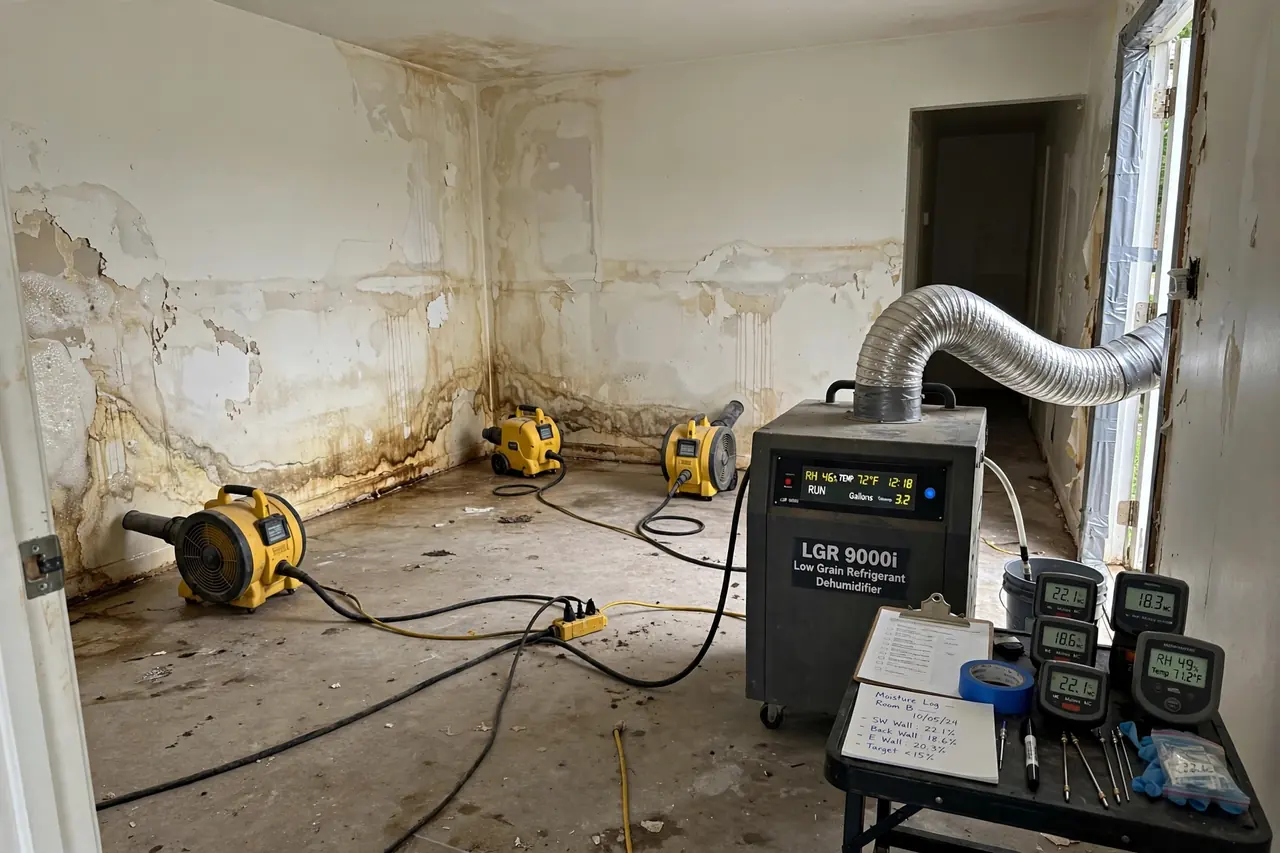
Controlled drying and moisture monitoring for building materials.
View service →Straight answers to the questions Vero Beach property owners ask us most.
Musty odors and cupped floors often start below.
Read guide →Steps that apply when water is under the house too.
Read guide →Where crawl space work fits in a mitigation plan.
Read guide →Common questions about water under Vero Beach homes.
Musty odors, cupped or bouncy floors, unusually high indoor humidity, and visible water stains on foundation vents are all clues. We can inspect and confirm.
In most cases, yes. We carry portable equipment designed for tight access. We'll assess your specific access point on arrival.
Removing standing water is the essential first step. Persistent odors usually need the remaining moisture dried and the source controlled, which we plan for.
Our focus is water removal and moisture assessment. Based on findings, we recommend the right long-term controls and can explain what each option does.
Sudden events (like a burst pipe) often are; long-term seepage usually isn't. Documentation of the source matters, see our insurance guide.
After pumping, residual moisture typically needs several days of ventilation and dehumidification, depending on soil saturation and airflow.
Local water-damage response across Vero Beach, Florida. Choose your neighborhood to see area-specific information:
Don't let it sit. Call now and we'll discuss access, likely sources, and how quickly we can get the water out.